How To Conduct A Viewing
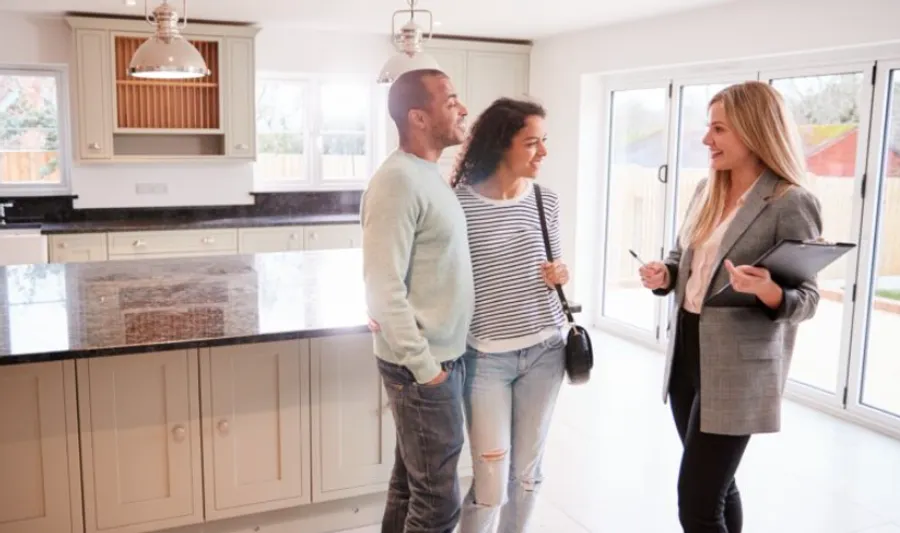
So your house is on the market, and you’re ready to sell up and move on. All that stands in your way is attracting your home’s next owner, which can seem like a herculean task.
Preparing for and conducting a house viewing requires meticulous attention to detail, careful planning, and a great deal of time and effort to ensure the property is presented to potential buyers in the best possible light.
This article will delve into the intricate, and often arduous process of executing a house viewing. In recent years, conducting your viewings yourself has become a popular choice. It does allow you the flexibility to arrange appointments to suit your schedule, and you will be able to add a personal touch to the tour. However, venturing into viewings without the expertise of an estate agent can be complex and challenging.
Step One: Preparing the Property.
A clean and tidy house is naturally one of the most important things you can present to prospective buyers. They want to see the property as their blank slate, showcasing its potential, so they can begin imagining their life there. Any unnecessary personal items should go into storage, and you should conduct an extensive deep cleaning and decluttering process, inside and out. Every room, wardrobe, and cupboard should be purged of anything that detracts from the home’s appeal. This process alone can take days, if not weeks.
Following decluttering, the house needs a five-star hotel standard deep clean. Scrub grout lines with a toothbrush, polish floors to a mirror shine, and evict every spec of dust from the house. Carpets must be steam cleaned, windows washed inside and out, and every nook and cranny inspected. Prior to viewings, you should open the windows and air out the property. This process can be undertaken alone, but particularly if you are still living in the property you’re showcasing, it can be an arduous task. An estate agent will be able to organise a cleaning service and offer you more helping hands.
Once the pre-viewing prep is complete, you can agree in advance with your agent which times are best for you to accommodate viewings. Your agent will also offer accompanied viewings, allowing you to simply go out for the afternoon and leave them to do what they do best.

A potential buyer will generally be more comfortable during a viewing if the property owner is absent, as they can have a more honest dialogue with the agent than with you. An agent is also able to more objectively approach the feedback stage after a viewing, asking buyers what they think of a property and if they plan to make an offer. Estate agents can also conduct group viewings, which are increasingly popular and efficient, and can often attract more competition between buyers.
Step Two: Conducting the Viewing.
Your house prep work should have viewers in a good frame of mind as soon as they walk through the front door, and the momentum shouldn’t stop there. Decide on the tour proceedings ahead of time. Have a plan in mind to ensure your viewer flows through the house, if possible, where they start and finish in the best room in the house.
Starting and finishing in the same place reassures viewers that they’ve had a concise and comprehensive look around. Let buyers look around independently. Any questions should be answered promptly, but don’t breathe down their necks, allow them into rooms ahead of you, stand back quietly and give them space to take it all in.
One of the main issues with conducting a viewing yourself is the very human tendency to over-sell your beloved home. Being overly formal or pushing the property onto viewers is not going to make them feel comfortable. Don’t overload them with information, or bend truths to a more positive spin, and certainly don’t talk too much about yourself and your own emotional connection to the property. The viewer needs to imagine themselves in the house, not feel like they’re intruding in someone else’s home.
Step Three: Scheduling and Coordinating.
It’s unlikely that your free time and your viewers’ free time will align, particularly if you have a high volume of people interested. The longer it takes to show everyone around, the longer you must maintain the house in a pristine condition, which adds to the hard work and inconvenience for you.
Conducting accompanied viewings is a large part of the estate agent’s job, and particularly if you give them a spare key to the property, this will allow you to go about your life as normal, knowing your house is getting the best possible sell.
House viewings are marathons, not sprints.
The task demands endurance, patience, and unwavering attention to detail, all things that estate agents are trained to excel at. From the initial deep clean to the final staging touches, every step can be a challenge. The house should remain set up to be sold, not set up as your home, to help you achieve the best possible sale outcome.
Ask yourself what you would like to see and hear as a potential buyer, what would really sell the house to you? You and your buyer are likely in similar positions. Have you viewed other properties recently? What could have been better about that viewing, and what did you really appreciate?
It may be easy to critique other properties, but as the owner of your own house, and an emotional human being, an objective viewpoint may be difficult to achieve.
We always recommend conducting viewings with the assistance of an estate agent.